Fabric Texture Backgrounds: A Practical Guide to Choosing the Right Textile Digital Paper for Your Projects
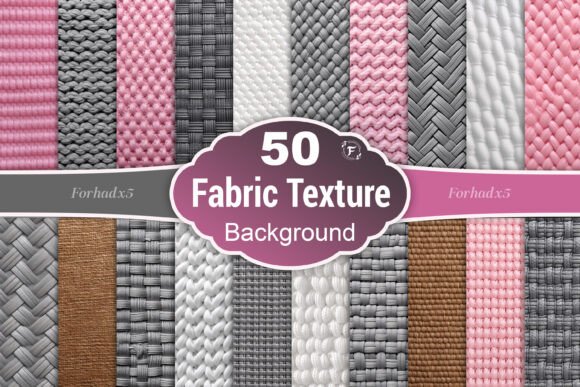
When it comes to enhancing visual design with a sense of realism and tactile appeal, fabric texture backgrounds offer a unique advantage. These digital assets bring the look and feel of real textiles into your creative work, adding depth and authenticity that flat colors or simple gradients cannot achieve. The Fabric Texture Background Bundle, which includes 50 high-resolution JPG files in a 3000×2000 pixel format, is an excellent resource for professionals and hobbyists alike who want to elevate their designs without overcomplicating their workflow.
What Is a Fabric Texture Background?
A fabric texture background is a digital image that replicates the surface characteristics of various types of fabrics. It can mimic everything from cotton and linen to velvet and silk, providing a realistic base for other design elements. Unlike patterned wallpapers or abstract textures, fabric textures are grounded in the physical properties of materials—subtle variations in weave, shading, and imperfections that give them a lifelike quality.
The Fabric Texture Background Bundle stands out because it offers a curated collection of these textures in high resolution. Each file is optimized for clarity and detail, making them suitable for both digital and print applications. With RGB color formatting, they integrate seamlessly into most design software and platforms.
How Fabric Texture Backgrounds Differ from Alternatives
Fabric texture backgrounds occupy a distinct niche in the world of design assets. Here’s how they compare with similar options:
- Patterned Backdrops: While patterned backdrops often focus on repeating motifs (like floral or geometric designs), fabric textures emphasize realism and subtle variation. They’re ideal when you need something more organic than a repetitive pattern.
- Photographic Textures: These can be very similar but may lack the clean, controlled environment of a textile-focused asset. Fabric textures are usually shot under even lighting conditions to minimize unwanted shadows or reflections.
- Synthetic Textures: Generated using procedural algorithms, synthetic textures offer consistency but may not capture the nuanced irregularities of actual fabric. The Fabric Texture Background Bundle avoids this by using real-world samples.
This distinction makes fabric textures especially valuable for product presentations, mockups, and branding where the goal is to simulate real-world materials accurately.
Strengths of Using Fabric Texture Backgrounds
Fabric texture backgrounds offer several key benefits across multiple industries:
- Realism and Authenticity: Whether you're designing apparel mockups or lifestyle products, using a fabric texture adds a layer of believability that helps viewers connect with the final output.
- Versatility: These textures work well as bases for text, graphics, and photography. Their neutral yet textured nature allows other elements to stand out while still contributing to an overall aesthetic.
- Professional Quality: With 3000×2000 pixel resolution, the bundle ensures crisp, clear visuals even when scaled up for larger displays or printed materials.
- Time Efficiency: Instead of creating custom textures or sourcing high-quality photos, designers can quickly apply one of these pre-made textures to enhance their projects instantly.
For instance, in graphic design, a fabric texture can serve as a warm, inviting backdrop for a blog post header or website landing page. In print-on-demand (POD) scenarios, placing a logo or artwork onto a fabric-like background can help customers visualize how it will appear on a physical product like a t-shirt or tote bag.
Best-Fit Applications and Use Cases
Fabric texture backgrounds are particularly well-suited for the following applications:
Graphic Design
- Website or blog backgrounds
- Social media templates and banners
- Poster and flyer designs
- Digital scrapbooking pages
- Ebook and journal covers
In each of these cases, the texture adds a professional touch that separates your design from generic templates. For example, using a linen-style texture for an ebook cover gives it a classic, artisanal look that appeals to readers looking for premium content.
Print-on-Demand Apparel Design
- T-shirt mockups
- Hoodie and sweatshirt presentations
- Hat, tote bag, and textile product displays
- POD Print-on-Demand listings
Here, the realism of the fabric texture can significantly impact customer perception. When a buyer sees a design previewed against a high-quality fabric backdrop, it builds trust and improves conversion rates. The bundle's variety allows you to match different fabric types to specific garments, ensuring accurate representation.
Branding and Packaging
- Business cards and labels
- Product packaging and box designs
- Hang tags and wrapping papers
Textured backgrounds can help reinforce brand identity by evoking specific feelings or aesthetics. A luxury brand might use a velvet-like texture for its hang tags to suggest opulence, while a minimalist label could opt for a clean cotton texture to highlight simplicity and natural materials.
Crafts and DIY Projects
- Greeting cards
- Scrapbook layouts
- Gift tags and thank-you notes
- DIY decor printables
For crafters, fabric textures provide an easy way to add dimension and sophistication to handmade items. They can be printed directly onto cardstock or used digitally during the layout process to ensure the final product matches the intended vision.
Tradeoffs and Limitations
While fabric texture backgrounds are powerful tools, they do come with certain tradeoffs:
- Design Complexity: Adding a texture can sometimes complicate layering and alignment, especially for beginners. You’ll need to consider contrast and legibility when placing text or images over a textured surface.
- Color Compatibility: Because the textures have inherent hues and shades, they may not work well with all color schemes. Some require careful adjustment in software to maintain balance.
- File Size and Performance: High-resolution JPGs can be large, which may affect loading times if used in web design or online stores. Always optimize images for the platform before publishing.
Additionally, fabric textures may not be appropriate for every project. If your design requires a clean, modern look, a highly detailed fabric texture could introduce unnecessary visual noise. In such cases, a simpler pattern or solid color might be more effective.
When Fabric Texture Backgrounds Are the Right Choice
Fabric texture backgrounds are most beneficial in the following situations:
- You're aiming for a natural, earthy, or artisanal aesthetic.
- Your project involves textile-based products or fashion-related themes.
- You want to add subtle depth and warmth to otherwise flat compositions.
- You need a quick, high-quality solution without investing in custom photography or texture creation.
For example, a small business owner launching a line of handwoven scarves would find these textures invaluable for creating compelling product mockups. Similarly, a blogger writing about sustainable fashion could use fabric textures to build cohesive and visually engaging headers and sidebars.
When to Consider Other Options
There are also scenarios where fabric textures may not be the best fit:
- If your project requires bold, minimalistic visuals, a solid color or gradient might be more appropriate.
- When working with dark or vibrant colors, some fabric textures can become overwhelming. In such cases, a lighter or smoother texture might work better.
- For technical illustrations or data-heavy infographics, fabric textures can distract from readability. Stick to plain or subtle patterns instead.
Understanding your audience and project goals is crucial. A tech startup promoting software solutions may prefer sleek, non-textured backgrounds to reflect innovation and professionalism, whereas a boutique selling handmade goods would benefit from the cozy, tactile vibe of fabric textures.
Practical Tips for Working with Fabric Texture Backgrounds
To get the most out of your Fabric Texture Background Bundle, consider the following strategies:
- Layer Adjustments: Use layer blending modes (like Multiply or Overlay) in design software to subtly integrate the texture without overpowering the foreground elements.
- Contrast Control: Apply a low-opacity white or black overlay to adjust the brightness of the texture so it doesn’t clash with your main content.
- Texture Mixing: Combine two or more fabric textures to create a custom backdrop that feels layered and rich.
- Mockup Customization: Many of the included textures are ideal for mockup templates. Pair them with high-quality product renders for the best results.
These techniques allow for greater flexibility and help ensure the textures enhance rather than hinder your design. Experimentation is key, and having access to 50 different textures gives you plenty of room to explore what works best for your specific needs.
Conclusion: Making an Informed Decision
Fabric texture backgrounds are a valuable addition to any designer’s toolkit, especially those working in areas like fashion, crafts, or lifestyle branding. The Fabric Texture Background Bundle provides a comprehensive selection of high-resolution textures that are ready to use right out of the box. However, like any design element, they should be chosen based on context, purpose, and audience expectations.
By understanding the strengths and limitations of fabric textures—and how they compare to alternatives—you can decide whether they’re the right fit for your current project. Whether you're creating a mockup for an Etsy listing or designing a corporate brochure, the right choice will always depend on the message you want to convey and the impression you hope to leave on your audience.