Enhancing Creativity and Branding with the Cookies Pattern: A Seamless Design Solution for Modern Professionals
In today’s fast-paced digital and creative industries, having access to high-quality design assets is essential. One such asset that has gained attention among professionals and creators alike is the Cookies Pattern by Na’art. This versatile and visually appealing seamless pattern offers a unique blend of artistry and functionality, making it an excellent choice for a wide range of applications—from branding materials to website backgrounds and beyond. In this article, we’ll explore what makes the Cookies Pattern stand out, how it aligns with current design trends, and why it’s becoming a go-to resource for entrepreneurs, marketers, and creatives.
What is the Cookies Pattern?
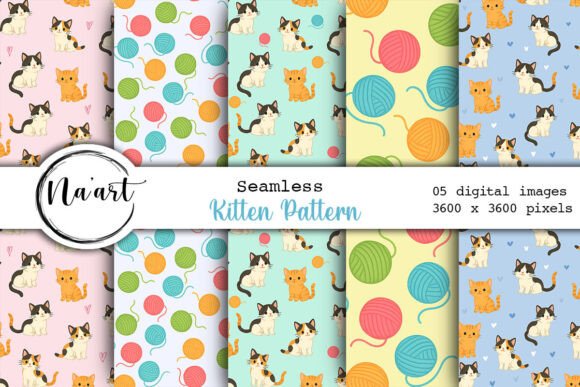
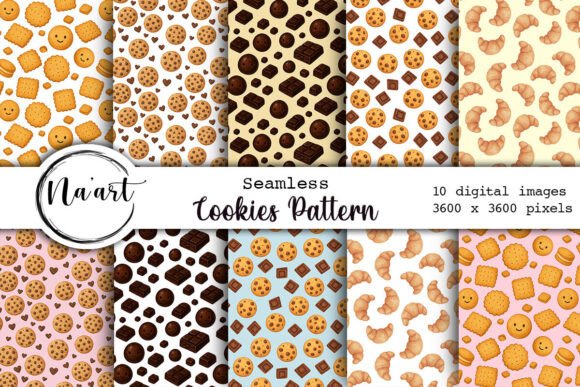
The Cookies Pattern is a meticulously crafted seamless design created by Na’art. It features a soft, inviting arrangement of cookie-themed elements—such as shapes, textures, and subtle illustrations—that repeat seamlessly across a 3600 x 3600 pixel canvas at 300 DPI resolution. The pattern includes ten JPG files, ensuring flexibility and adaptability for various uses. Its cohesive and aesthetically pleasing composition allows users to integrate it into their projects without worrying about visible seams or inconsistencies.
This pattern is ideal for those who appreciate warmth, comfort, and a touch of nostalgia in their visual content. Whether you're designing packaging for a bakery, creating a lifestyle blog, or working on a branding project for a food-related business, the Cookies Pattern provides a foundation that enhances user experience and visual appeal.
Seamless Integration Across Industries
Seamless patterns like the Cookies Pattern are increasingly popular because they offer scalability and ease of use. Unlike traditional graphics that may require careful alignment or cropping, seamless designs can be tiled infinitely, making them perfect for large-format printing and digital displays alike.
In the creative industry, designers are constantly looking for assets that streamline their workflow while maintaining high standards of quality. The Cookies Pattern meets these needs by providing a ready-made solution that requires minimal editing. It's especially useful for:
- Websites and blogs: Adding texture or background interest without overwhelming the layout.
- Shop designs: Enhancing product pages or promotional banners with a cozy, appetizing feel.
- Branding projects: Incorporating the pattern into business cards, brochures, posters, key chains, mugs, pens, and other branded merchandise to create a consistent and memorable identity.
- Notebooks and planners: Giving journal covers and organizational tools a personal, artistic touch that stands out in a market flooded with generic designs.
- Stationery sets: Elevating cards, envelopes, and invitations with a whimsical yet professional aesthetic.
- Paper crafts and wall art: Providing a rich base for DIY projects, home décor, and printable art pieces.
Why the Cookies Pattern is Gaining Popularity
Designers and businesses are gravitating toward the Cookies Pattern due to several factors:
- Visual Consistency: With its high-resolution format and seamless tiling, the pattern ensures that no matter the size or application, the design remains clean and uniform.
- Adaptability: The versatility of the pattern allows it to be used in both digital and print formats, from small-scale marketing collateral to large-scale signage and wall art.
- Emotional Resonance: The theme of cookies evokes feelings of comfort, indulgence, and homeliness. These emotions are powerful in branding and can help connect with audiences on a deeper level.
- Time Efficiency: For busy freelancers and entrepreneurs, using pre-designed seamless patterns saves time and effort, allowing them to focus more on creativity and less on technical adjustments.
Aligning with Current Design Trends
The rise of the Cookies Pattern coincides with broader design trends that emphasize warmth, authenticity, and approachable aesthetics. In recent years, there has been a shift away from overly minimalist and sterile designs towards ones that reflect personality and human connection. The Cookies Pattern fits perfectly within this movement by offering a tactile, relatable motif that feels both modern and comforting.
Additionally, the trend towards personalized branding means that businesses are seeking unique visual identities that differentiate them from competitors. Using a custom pattern like Cookies can help achieve this goal by adding a signature element to all brand touchpoints.
For example, a boutique café might incorporate the pattern into their menu boards, napkins, and even their employee uniforms. This creates a cohesive look that reinforces their brand message of community, quality, and customer experience.
Changing Needs and Expectations in Creative Workflows
Modern professionals are not only expected to produce high-quality work but also to do so efficiently. The demand for customizable, scalable, and royalty-free design resources has never been higher. The Cookies Pattern addresses these changing expectations by offering a ready-to-use, high-resolution file set that integrates smoothly into existing workflows.
Moreover, the growing popularity of remote work and digital entrepreneurship has led to an increased need for online branding materials. From social media templates to shop interfaces, seamless patterns provide a way to maintain visual continuity across platforms. The Cookies Pattern, with its friendly and familiar imagery, helps brands create a sense of trust and familiarity—key components in the digital marketplace.
Freelancers and independent creators also benefit from the pattern’s compatibility with cutting software like Circut Silhouette. This opens up new avenues for producing physical goods such as stickers, labels, and printed materials, which are in high demand as part of the print-on-demand and DIY craft markets.
Practical Applications and Observations
Let’s take a closer look at some practical examples where the Cookies Pattern can be applied effectively:
- Website Backgrounds: Use the pattern as a subtle background for sections of your site that highlight products or services related to food, lifestyle, or wellness. Its soft tones and gentle repetition add depth without distracting from the main content.
- Product Packaging: Apply the pattern to boxes, wrappers, or labels for baked goods, snacks, or gift items. It adds a layer of charm and professionalism that appeals to consumers looking for artisanal and handcrafted experiences.
- Marketing Collateral: Incorporate the pattern into flyers, postcards, and email newsletters to create a unified visual language. This consistency helps reinforce brand recognition and recall.
- Home Décor and Wall Art: Print the pattern on canvas or wallpaper for a decorative touch in cafes, offices, or homes. Its repeating nature works well in large spaces and adds a cozy ambiance.
- Planners and Journals: Use the pattern on cover pages or section dividers in notebooks and planners. It gives the product a unique character that resonates with users who value aesthetics as much as function.
One observation from early adopters is that the Cookies Pattern tends to perform particularly well in niches such as food blogging, lifestyle vlogging, and small business branding. Its ability to evoke emotion and its adaptability make it a valuable tool for those aiming to build a strong visual narrative around their offerings.
Bridging Digital and Physical Design Spaces
As the lines between digital and physical design blur, resources like the Cookies Pattern become increasingly important. They allow for a seamless transition between online presence and tangible products. For instance, a designer could use the same pattern for a website banner and later apply it to printed tote bags or mugs sold through an e-commerce store. This kind of cross-platform integration is vital for building a cohesive brand image that customers recognize and remember.
Furthermore, the pattern supports multiple color variations, enabling designers to match it with their brand palette effortlessly. This feature is especially beneficial for those working with clients who have specific style guides or for entrepreneurs managing their own visual identity.
Supporting the Rise of Niche Markets
With the growth of niche markets such as healthy baking, gourmet treats, and lifestyle-driven food brands, the need for thematic design elements has expanded. The Cookies Pattern caters to this need by offering a design that feels both relevant and refined. It allows brands to communicate their values and specialties without relying solely on text or logos.
Consider a company launching a line of organic cookies. By integrating the Cookies Pattern into their packaging and promotional materials, they can visually reinforce their commitment to natural ingredients and wholesome living. This kind of strategic design choice speaks volumes in a market where visual storytelling is often just as important as product quality.
Future-Proofing Your Design Toolkit
Investing in a high-quality seamless pattern like the Cookies Pattern isn’t just about immediate use—it’s also about future-proofing your design toolkit. As trends evolve, the ability to quickly adapt visuals becomes a competitive advantage. The Cookies Pattern, with its timeless appeal and broad applicability, is likely to remain relevant across different design eras and client needs.
It also serves as a foundational element that can be layered with other design components. For example, you can overlay the pattern with typography, icons, or photography to create dynamic compositions tailored to specific campaigns or projects. This flexibility makes it an invaluable addition to any designer’s library.
Conclusion
The Cookies Pattern by Na’art represents more than just another design asset—it embodies a thoughtful response to the evolving needs of today’s creative and entrepreneurial landscape. Its seamless construction, high resolution, and thematic richness make it suitable for a wide array of uses, from branding to web design, paper crafts to wall art. As businesses and individuals continue to seek ways to express their identities authentically and efficiently, the Cookies Pattern offers a compelling solution that bridges the gap between form and function.
Whether you're a seasoned marketer or a hobbyist exploring new creative avenues, incorporating the Cookies Pattern into your projects can elevate your output and leave a lasting impression on your audience. Embrace this innovative design tool and discover how it can enhance your next venture.